Why Speed and Strategy Must Work Together
Launching a startup brand quickly is often a necessity. Early-stage teams race to show traction, pitch investors, and get a product into users’ hands. But rushing branding without direction leads to problems: weak identities, forgettable messaging, and brands that break as soon as you grow.
The truth is, building a lasting brand doesn’t mean slowing down, it means having a plan. With the right focus, you can launch a clear, credible brand in just 90 days.
We’ve done this time and again for founders at the pre-seed and seed stage, including bold teams like TurfStar and XRii. Their launches worked because their brands had structure, not just speed.
Your 90-Day Branding Timeline
Week 1–2: Brand Discovery and Positioning
Start by answering foundational questions:
- Who are we really helping?
- What do we solve that no one else does?
- What emotion should our brand create?
- What makes us worth noticing?
In this phase, align your team on purpose, target audience, and tone. Define what success looks like so you don’t design blindly.
Outcomes you should expect:
- A clear positioning statement
- Competitive landscape overview
- Audience personas
- Core brand values and mission

Week 3–4: Messaging and Voice
Your voice is how your brand speaks. It should sound like your audience’s world but reflect your unique personality.
Create:
- Brand messaging pillars
- Taglines and headline frameworks
- Product descriptions and value propositions
- Tone-of-voice guidelines
Messaging should feel consistent across your website, product, and pitch deck. If it sounds different in each, users won’t trust it.
Week 5–6: Visual Identity and Creative Direction
Now that you know what you’re saying and who you’re saying it to, bring your brand to life visually.
This includes:
- Logo design
- Colour palette
- Typography system
- Iconography and UI elements
- Photography or illustration style
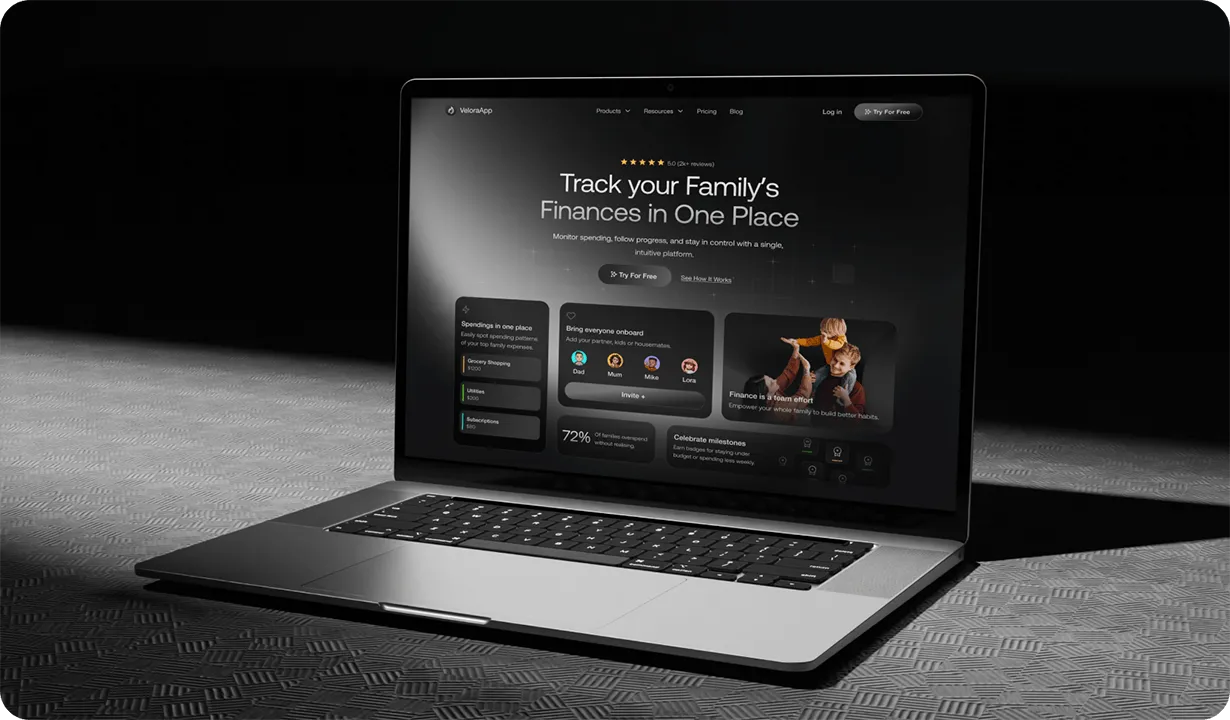
Your visuals should reflect both your values and your target audience. For example, Velora needed to look calm and confident, not flashy. Their financial app had to feel safe and friendly, so we delivered a soft palette, balanced type, and strong white space.

Week 7–8: Design System and Brand Guidelines
Once your identity is approved, build the assets that let your team scale with consistency.
You need:
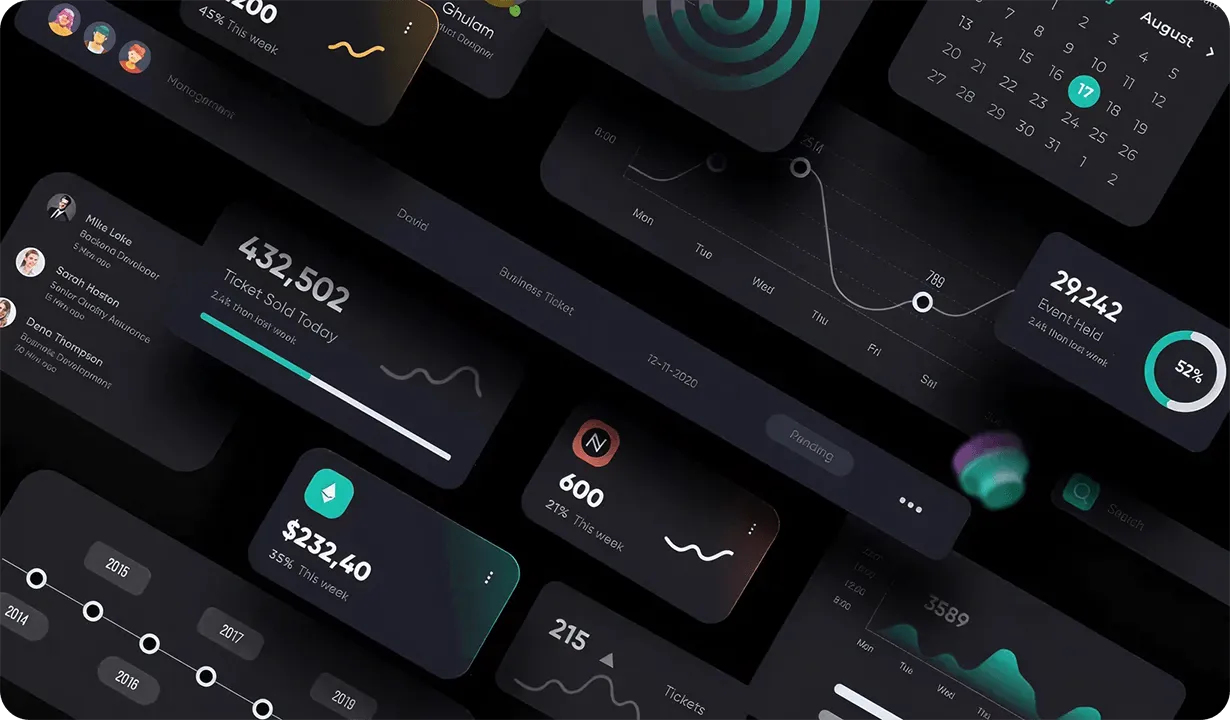
- A basic design system in Figma
- UI components for web or mobile
- A brand guidelines PDF or Notion page
- Templates for decks, posts and email
- Exported logo files in all necessary formats
Your design system is your speed tool, it helps your team ship fast without redesigning every detail from scratch.
Week 9–10: Website and Launch Materials
This is where you pull it all together. Your brand launches through touchpoints, not just a logo.
At a minimum, you need:
- A one-page or multi-section landing site
- Product or app screenshots
- Pitch deck and investor-ready slides
- Social media graphics
- Email capture or onboarding flow
Use Webflow or similar tools to go live quickly. Design for storytelling and conversion, not just beauty.
Velora’s website was built to scroll cleanly from value proposition to proof to CTA, with product visuals and real messaging, not filler. That helped them stand out in a crowded fintech space.
Week 11–13: Test, Refine and Launch
Now you stress test what you’ve built.
Run a closed feedback loop:
- Share the brand with advisors, early users or investors
- A/B test headlines and visuals
- Launch a soft beta of the landing page
- Watch analytics and user behaviour
Fix what’s unclear, double down on what resonates, and polish before your big announcement.
Then, launch confidently.
Common Startup Branding Mistakes to Avoid
- Skipping discovery – Jumping into design without clarity leads to rework
- Too many styles – Inconsistent visuals confuse users and lower trust
- Generic messaging – “We’re the best” says nothing and converts no one
- Logo obsession – Your logo isn’t your brand; it’s just a tool
- No design system – Lack of structure breaks momentum later
A fast brand should feel thoughtful, not rushed. There’s no point moving quickly toward confusion.
Real-World Example: KCS Group’s Brand Built to Scale
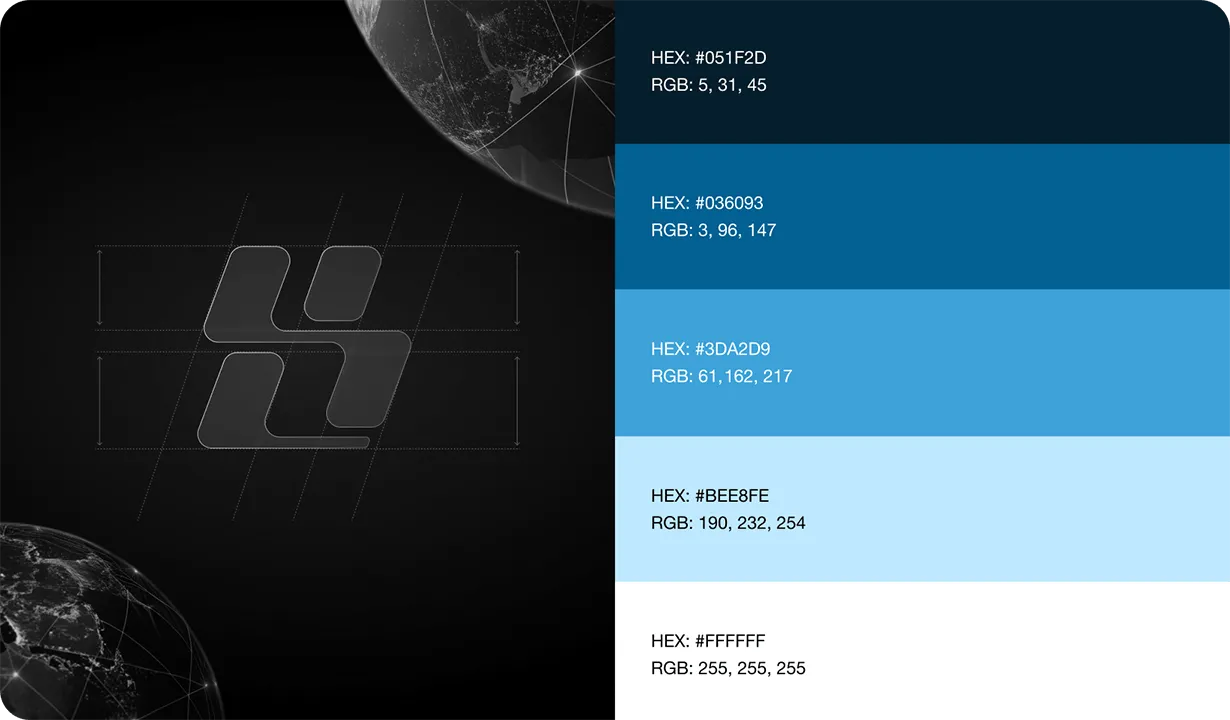
is a global family of companies with big reach and even bigger ambition. But their brand lacked cohesion. It needed to command authority in corporate spaces while flexing confidently across industries and markets.
In under 90 days, Blabb Studio helped KCS go from a fragmented identity to a bold, unified brand system:
- A confident, modern logo system
- A flexible colour palette and refined typography
- Print-ready assets like business cards and posters
- A clean, high-impact website
- A brand identity system designed for global scale
The result: a brand that looks boardroom-ready and feels like a market leader. KCS now presents a consistent, sharp image across continents, and their teams finally have the tools to execute it everywhere they operate.
What You Should Have After 90 Days
When your 90-day plan is complete, your startup should have:
- A clear brand strategy
- A distinct visual identity
- A product or landing site that reflects your value
- Tools to launch and promote consistently
- A design system to help scale fast
You’re not trying to create a perfect brand, you’re creating a strong one that will evolve with you. The goal is clarity, momentum, and trust.
About Us
Blabb Studio is a design and Webflow development partner built for startup founders. We help early-stage teams build brands, products, and launch sites that don’t just look good, hey drive growth.
We’ve launched over 50 startups, including TurfStar, XRii, DraftBet, and Velora. Our mission is to help founders move fast and look credible while doing it.
To see more of our work, visit blabb.studio/about or contact us to learn how we can help your startup grow.